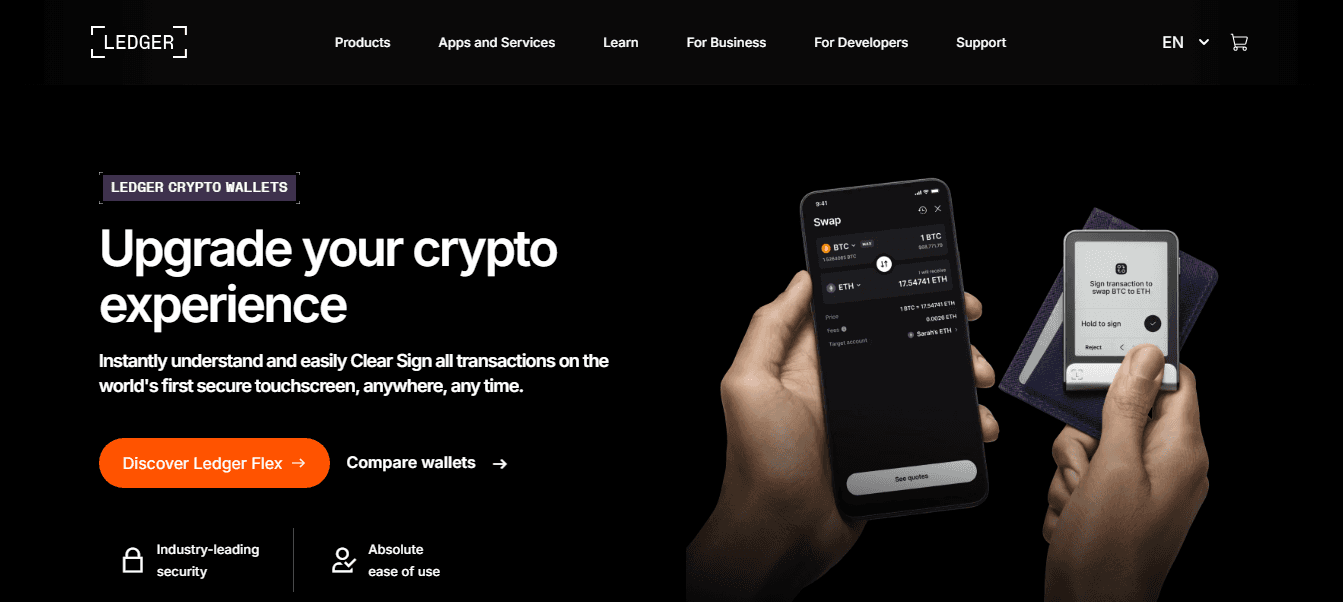
Ledger Live: A Complete 1200-Word Overview
Ledger Live is an all-in-one digital asset management application designed to work with Ledger hardware wallets. It brings together portfolio tracking, account management, security features, and blockchain interaction tools in one organized interface. For anyone curious about how people monitor and manage digital assets safely, Ledger Live is often used as an example of a platform that balances usability with strong security principles. Understanding how it works can help you build general knowledge about cybersecurity, blockchain technology, and digital finance without needing to access age-restricted features.
What Ledger Live Is Designed to Do
Ledger hardware wallets are physical devices that store private keys offline. These keys are what give control over digital assets like cryptocurrencies and tokens. Ledger Live works as the companion app to those devices. Rather than interacting directly with the blockchain on the hardware wallet, users rely on Ledger Live to provide the interface while the device handles the security.
The main purpose of Ledger Live is to display information clearly and safely. It shows balances, transaction histories, and the status of various blockchain networks. With a straightforward dashboard, the app acts as the central area where users monitor their digital asset activity. It is designed to make complex blockchain interactions easier to understand at a glance.
Interface and User Experience
Ledger Live is available on desktop and mobile, and its layout is typically built around clarity and structure. The app opens to a dashboard where the user sees an overview of their portfolio, though exact tools available depend on which region and features someone has access to.
The interface is typically divided into major sections:
Dashboard
The dashboard presents a high-level snapshot. People can see portfolio value changes, their overall asset distribution, and the most recent activity. Although numbers on the screen change based on blockchain data, the hardware wallet still controls the actual security authorization.
Accounts
The accounts tab is where users add or view different asset accounts. Each account shows the balance, recent activity, and relevant network data. Ledger Live supports a wide range of assets, but simply seeing supported assets doesn’t require any trading or transactions. It is still an educational way to explore how blockchain networks differ.
Discover
A section sometimes available within Ledger Live is “Discover,” which integrates various blockchain apps and tools. Some tools relate to learning about networks, exploring decentralized services, or accessing educational materials. While not all features are suitable for minors, the Discover area shows how blockchain ecosystems organize decentralized apps in a structured environment.
Manager
The Manager area is where the user interacts with the hardware device to install or remove apps that correspond to different blockchains. Each blockchain requires its own app on the Ledger device to operate correctly. This section teaches an important concept: blockchains are separate networks, and each requires its own cryptographic support files.
Security Principles in Ledger Live
Security is the biggest focus of Ledger Live. The app itself does not store private keys. Instead, it communicates with the hardware device, which remains the secure vault for private information.
Here are a few important security ideas illustrated by Ledger Live:
Offline Key Storage
Because private keys never leave the hardware wallet, the device maintains offline security. Ledger Live simply reads public information, such as balances and transaction statuses.
Transaction Verification
Even if someone begins a transaction within the Ledger Live interface, the actual approval must be confirmed on the physical wallet. This second step prevents unauthorized activity. The idea of “two-step verification with a physical device” is a strong cybersecurity habit often used in many technologies.
Firmware and App Updates
Ledger Live helps users update the firmware of their hardware wallet. Firmware updates often contain security improvements, bug fixes, and feature upgrades. This reflects a broader lesson: cybersecurity requires regular maintenance, updates, and awareness of the latest protections.
Device Authenticity Checks
Ledger Live includes a tool that checks whether the connected hardware device is genuine. This process teaches the importance of authenticity verification—especially when dealing with sensitive technology or information.
Asset Tracking and Portfolio Insights
One of the reasons Ledger Live is widely used is its ability to track digital asset performance. Even without performing transactions, users can observe how blockchain assets fluctuate over time. This can be helpful for learning concepts like:
Market volatility
Value trends
Asset distribution
Differences between coins and tokens
How blockchain networks update balances
Ledger Live displays this information in charts, lists, and summaries. The goal is to simplify something that can otherwise be difficult to visualize. Even if someone is learning about digital finance academically, seeing a real-time data model can improve understanding.
Understanding Device Management Through Ledger Live
Managing a hardware wallet through Ledger Live involves installing and removing apps for blockchains. Each app corresponds to a specific network—Bitcoin, Ethereum, and many others. This feature shows that blockchains operate independently from one another.
Here’s what someone can learn from the Manager section:
Blockchain Independence
Each blockchain requires its own cryptographic environment. This illustrates that blockchains are decentralized systems that do not share private key structures.
Memory Management
Hardware wallets have limited storage capacity. Ledger Live teaches how to manage storage efficiently by installing only the apps needed.
Security Updates
Whenever an app or firmware update is available, Ledger Live alerts the user. Learning about updates builds good digital hygiene habits.
Connectivity and Synchronization
Ledger Live syncs data from blockchain networks to provide accurate account information. It does this using publicly available blockchain data, not private keys. Understanding how this works helps explain the broader architecture of blockchain systems.
Key concepts include:
Nodes and blockchain explorers
Ledger Live communicates with nodes to retrieve information like balances and transactions.
Synchronization
The app needs to stay updated with network data so portfolio values and activity logs remain accurate.
Delays and congestions
When a blockchain is busy, Ledger Live may show slower updates, which helps people understand how decentralized networks manage capacity.
Feature Variations Across Regions and Users
Depending on age, region, or hardware setup, not all Ledger Live features are accessible. Some advanced features—especially those involving trading, staking, or financial services—are restricted or may require additional verification. This is important because many financial activities are legally limited to adults.
Even without those features, Ledger Live remains a powerful educational tool for understanding how digital assets and blockchain systems work from a technical perspective.
Why Ledger Live Is Considered Beginner-Friendly
Ledger Live is often recommended for beginners because it simplifies blockchain concepts. While real usage may require adult supervision or legal eligibility, the design itself is built to be approachable:
Clean visuals
Clear instructional steps
Strong security reminders
Organized lists and charts
Integrated support resources
Learning how the interface works can introduce important technology skills, such as managing devices, understanding data synchronization, and recognizing the importance of cybersecurity.
Ledger Live as a Learning Tool
Even if someone cannot use certain features, Ledger Live is still valuable for learning about:
Blockchain technology
How hardware wallets protect private keys
How transactions are structured
Differences between networks
Portfolio tracking
Security best practices
Studying these concepts can help anyone build foundational knowledge in digital technology, cybersecurity, and the future of decentralized systems.
Final Thoughts
Ledger Live combines clarity, structure, and strong security together in one app. While certain features require adult usage, the application’s design offers a practical way to observe how blockchain networks operate and how digital asset management systems are built.
Its combination of hardware-based security, real-time blockchain data, intuitive navigation, and educational value makes it one of the most well-known tools in the digital asset ecosystem. For anyone learning about blockchain as a technology, Ledger Live provides a clear example of how complex digital systems can be organized into a user-friendly environment.