Ledger Live: A Fresh 1200-Word Comprehensive Overview
Ledger Live is widely recognized as a central hub for managing digital assets when using Ledger hardware wallets. It combines security, usability, and a clean interface to give users a reliable way to interact with blockchain networks. Even without directly engaging in financial activities, learning about Ledger Live offers valuable insights into digital security, blockchain operations, and how decentralized technologies organize data. This refreshed overview breaks down the purpose, structure, and key components of Ledger Live in a clear and beginner-friendly way.
What Ledger Live Represents
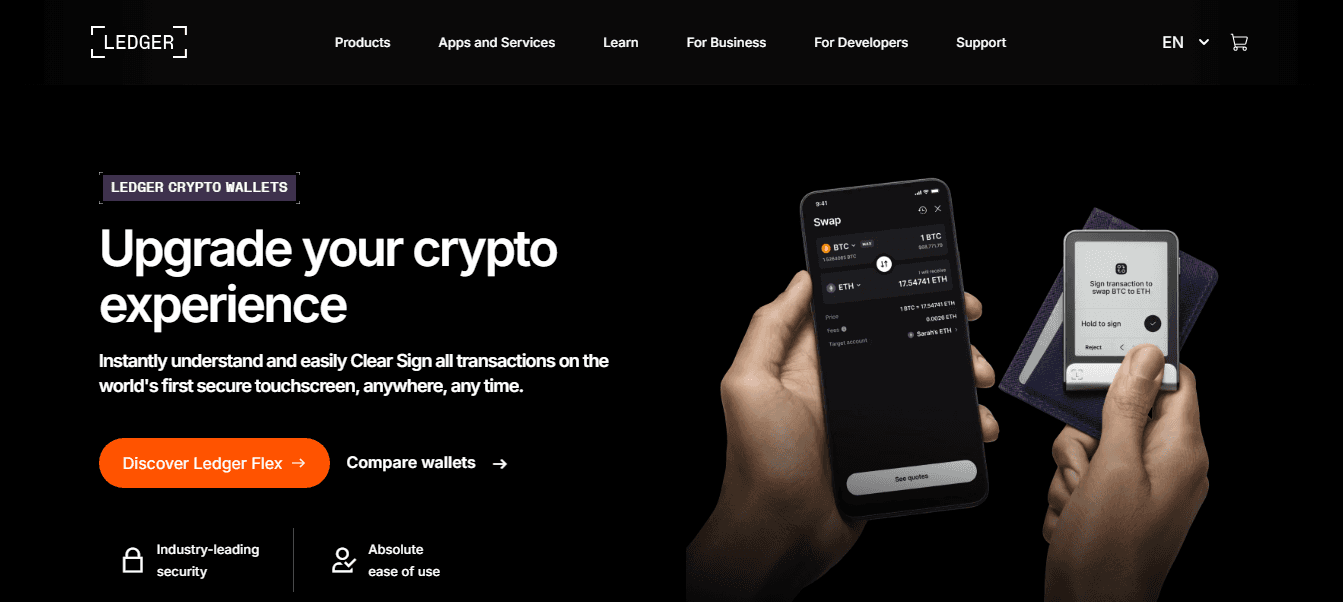
Ledger Live serves as the software companion to Ledger hardware wallets. Unlike ordinary apps, Ledger Live is intentionally built to emphasize safety and clear information flow. The hardware wallet stores the private keys that protect a user’s digital assets, while Ledger Live acts as the visual interface that displays balances, organizes accounts, and connects to blockchain networks.
Because of this split design, Ledger Live doesn’t hold secret data. Its job is to communicate with the blockchain and present information, while the hardware device approves sensitive actions. This separation of roles is one of the strongest security principles in the blockchain world.
Layout and User Navigation
One of the strengths of Ledger Live is how intuitive the layout is. It is available on both desktop and mobile, and both versions share a similar structure. The main navigation areas typically include:
Dashboard
A central space where overall portfolio information is displayed. Even if someone doesn’t transact, the dashboard provides an example of how digital asset portfolios are tracked. It shows asset distribution, percentage changes, and recent activity logs.
Accounts Section
This area organizes assets into individual blockchain accounts. Each one includes details such as balance, incoming and outgoing activity, and network confirmations. For educational purposes, this section is helpful for understanding that each blockchain works independently.
Manager Section
The Manager page allows users to install or uninstall blockchain apps on their Ledger device. Since each network needs its own set of cryptographic tools, this area teaches an important lesson: blockchains require separate protocols to function correctly.
Settings and Customization
Ledger Live includes settings for appearance, language, device configuration, and more. This teaches that digital tools often allow customization so users can adjust a program to their preferences.
Even though some features of Ledger Live require adulthood to use, the structure itself offers a practical example of a well-organized technology interface.
Security Concepts Built Into Ledger Live
Ledger Live is designed around strong security principles. Understanding these can help anyone develop better cybersecurity habits.
Offline Private Keys
Private keys never leave the Ledger hardware device. Ledger Live can read public data from the blockchain but cannot access or reveal private keys. This setup protects digital assets even if the computer or smartphone is compromised.
Physical Confirmation
Even if someone starts a transaction in Ledger Live, the hardware wallet asks for manual confirmation. This teaches the principle of “two-factor approval using a physical device,” which is one of the safest methods in the digital world.
Tamper-Proof Updates
Ledger Live also helps keep the hardware wallet updated with the latest firmware. Firmware updates are crucial for fixing bugs and enhancing protection. This reinforces the idea that cybersecurity is ongoing—not a one-time action.
Device Authenticity Checks
Ledger Live includes tools that verify whether a connected hardware wallet is genuine. This helps ensure no counterfeit devices attempt to interact with sensitive data.
These features show how serious digital security must be in the world of cryptography.
Understanding Blockchain Assets Through Ledger Live
Ledger Live includes detailed displays for various digital assets. While actual financial interaction may require an adult, looking at the way assets are presented can help someone grasp important blockchain concepts.
Asset Listings
Each supported blockchain or token appears with its own logo, description, and account structure. This shows that digital assets are not interchangeable; they operate in unique ways depending on their underlying networks.
Transaction Records
Every blockchain transaction includes details like the date, status, confirmations, and network fees. Learning how transaction records work is important because blockchains rely on transparent logging.
Network Differences
Ledger Live highlights distinctions between faster and slower networks, fee structures, and confirmation times. Understanding these differences helps explain why blockchains are diverse systems.
Monitoring Portfolio Information
Ledger Live’s portfolio area is a central place where users can observe:
Value changes
Historical charts
Asset percentages
Growth patterns
Even if someone does not actually own or move digital assets, observing how portfolio charts behave teaches valuable concepts about data visualization, market movement, and how decentralized networks update information.
The portfolio overview also illustrates how analytics tools summarize complex blockchain data into simple, digestible visuals.
How Ledger Live Connects to the Blockchain
Ledger Live retrieves blockchain information through network nodes. This process allows it to show the status of assets without accessing private keys.
Key ideas learned from this system include:
Synchronization
Ledger Live needs constant synchronization to keep data current. This highlights the importance of real-time communication between software and decentralized networks.
Decentralized Data Retrieval
Because blockchains are decentralized, Ledger Live gathers information from multiple sources. This demonstrates how decentralized systems avoid relying on one central authority.
Processing Delays
Sometimes blockchain networks experience congestion. When that happens, Ledger Live may display delayed confirmations. This mirrors how networking issues impact many technologies.
Device Management and Network Apps
One of the most educational sections of Ledger Live is the Manager area. This is where the hardware wallet interacts with blockchain apps that are stored on the device.
Storage Limitations
Ledger devices have limited space, so users must choose which blockchain apps to keep installed. This teaches resource management and the importance of prioritizing essential tools.
Installing Blockchain Support
Every app corresponds to a specific blockchain. Installing apps helps explain that each blockchain is a standalone ecosystem with its own rules and cryptography.
Cleanup and Updates
Users can remove unused apps or update existing ones. These actions reinforce ideas about maintaining efficiency and security in digital tools.
Educational Value Without Performing Transactions
Even though certain financial features of Ledger Live are age-restricted, the app still has value as a learning platform.
It helps explain:
How decentralized networks update balances
Blockchain networks use consensus to maintain accurate records.
How cryptographic hardware interacts with software
This is an advanced concept, but Ledger Live makes it visual.
How digital dashboards summarize complex data
Charts, logs, and breakdowns illustrate good UI design and analytics.
How cybersecurity practices are implemented
Device verification, manual confirmation, and offline key storage are all real-world examples of strong security.
Ledger Live therefore doubles as a technology education tool, not just an asset management application.
User Experience and Design Philosophy
Ledger Live’s design focuses on clarity, simplicity, and reassurance. Since it deals with sensitive information, it uses a clean layout, helpful alerts, and step-by-step prompts. This design philosophy teaches the importance of:
Clear user flows
Reducing confusion in complex tasks
Prioritizing safety
Maintaining consistent visual structure
These are important principles for anyone interested in technology, UI/UX, or software development.
Final Summary
Ledger Live combines security, organization, and blockchain interaction into a single application. While some of its advanced features require adult usage or verification, its layout and core systems offer valuable learning experiences for anyone studying blockchain technology or digital security.
From device management to blockchain synchronization, portfolio viewing, app installation, and safety checks, Ledger Live provides a real-world example of how decentralized systems can be managed through a user-friendly platform. Its focus on safety and clarity makes it one of the most recognized tools in the digital asset ecosystem.