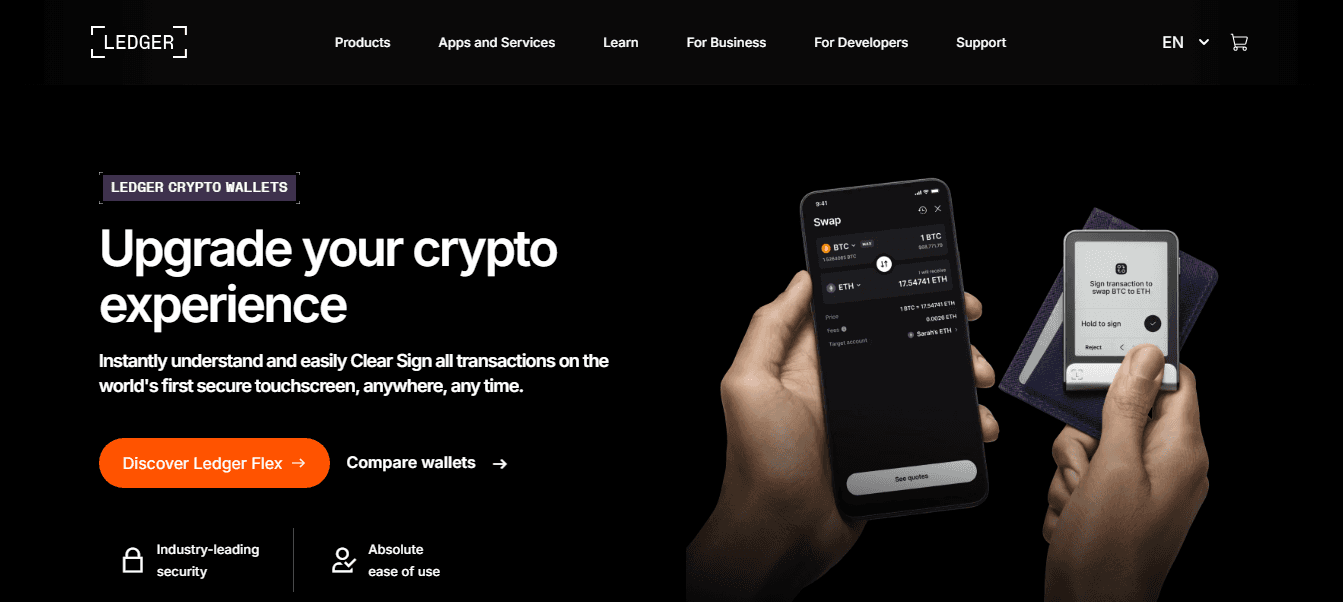
Ledger Live: A New 1200-Word In-Depth Explanation
Ledger Live is the central software platform built to work with Ledger hardware wallets. It functions as a bridge between the physical wallet and the blockchain networks people interact with. Although not everyone uses the financial features due to age restrictions, Ledger Live remains an excellent example of how secure digital management tools are designed. By studying it, one can understand concepts like offline security, blockchain structure, digital dashboards, and device management. This fresh explanation breaks down Ledger Live in a clear, beginner-friendly way that focuses on learning rather than financial activity.
1. The Purpose of Ledger Live
ledger hardware wallets are physical devices designed to store sensitive cryptographic keys offline. Ledger Live is the software that allows users to view and organize everything those keys control without exposing the keys themselves. Instead of handling private information directly, Ledger Live shows balances, monitors activity, and retrieves blockchain data while relying on the hardware wallet for security confirmations.
This design reflects a modern cybersecurity principle: separate the interface from the sensitive information. Ledger Live manages visualization and organization, while the hardware wallet protects secret data.
2. The Structure of the Application
Ledger Live is available on both desktop and mobile, offering a unified experience. It is divided into several main sections that help users navigate complex blockchain information in a structured way.
Dashboard Overview
The dashboard provides a high-level summary of the user’s portfolio. Graphs, asset lists, and activity summaries make the view simple and approachable. This teaches how digital dashboards simplify complex information into easy-to-read visuals.
Accounts Page
Each blockchain or token has its own account page. This page includes the balance, transaction history, and network details. Through this, one can learn how each blockchain is a separate system that doesn’t automatically interact with others.
Manager Section
The Manager is one of the most important components. It allows users to install and remove applications from the hardware wallet. Each app corresponds to a specific blockchain network. This teaches an essential concept: blockchains require unique cryptographic environments to operate properly.
Settings
Settings allow adjustments to language, theme, device preferences, and security alerts. This reflects how modern apps are designed to be customizable and accessible for diverse user needs.
3. How Ledger Live Approaches Security
Security is a central theme in everything Ledger Live does. Many of the app’s design choices are based on preventing unauthorized access or accidental exposure of private information.
Offline Storage of Keys
Private keys never leave the hardware wallet. Ledger Live has no access to them and cannot reveal them. This ensures safety even if the computer or phone is compromised by malware.
Confirmation on the Hardware Device
Any action that requires security—such as sending or verifying something—must be confirmed physically by pressing buttons on the Ledger device. This creates an additional layer of protection, making it harder for malicious software to act without permission.
Regular Firmware Updates
Ledger Live notifies users when new firmware or app versions are available for the device. Updating firmware is critical for fixing vulnerabilities, improving security, and adding new features. This teaches the importance of keeping devices up to date.
Authenticity Verification
When a hardware wallet is connected, Ledger Live checks whether it is genuine. This helps prevent counterfeit devices from being used to trick users or intercept sensitive data.
4. Portfolio Observation and Data Visualization
Even without performing transactions, Ledger Live provides clear examples of how digital financial data is organized and displayed. The portfolio view is especially useful for understanding data visualization.
Value Changes
Portfolio charts often show daily, weekly, or monthly changes. This teaches how visual analytics present trends over time.
Asset Distribution
Pie charts or distribution bars show how assets are divided across blockchain networks. While these numbers change based on blockchain activity, the way the data is presented helps one understand allocation and diversification concepts.
Activity Summaries
Logs show incoming and outgoing events in real time. These logs are updated using blockchain data that Ledger Live retrieves through network synchronization.
5. Interacting With Blockchains Through Ledger Live
Ledger Live communicates with blockchain networks through publicly available data sources called nodes. Although private keys remain offline, the app retrieves important information such as balances, confirmations, and histories.
Synchronization Process
Ledger Live must regularly synchronize with blockchain nodes to keep the data up to date. If a network is busy, synchronization may slow down. This is a practical way to understand network congestion.
Transaction Representation
Every blockchain transaction includes details like transaction identifiers, network fees, and confirmation counts. Understanding these elements helps explain how blockchain transparency works.
Network Differences
Some blockchains are fast and inexpensive, while others are slow and complex. Ledger Live displays these differences clearly, helping learners understand the variety of decentralized networks.
6. Device Management Through the Manager Tab
The Manager is where users install apps on their hardware wallet. Each app enables interaction with a specific blockchain. Understanding this teaches several technical concepts.
Limited Storage on Hardware Wallets
Ledger devices do not have unlimited space. This means users must choose which blockchain apps to keep installed. This limitation teaches resource management.
Installing Blockchain Support
Installing an app simply enables the device to interact with a blockchain. It doesn’t store any assets itself. This shows that digital assets remain on the blockchain, not inside the hardware.
Updating Apps
Sometimes, apps receive updates for performance or security improvements. Ledger Live handles this process and encourages users to stay updated.
7. Educational Value Beyond Asset Management
Even if someone cannot or should not use financial features, Ledger Live still provides valuable learning opportunities.
Understanding Cryptography Basics
The system highlights how private and public keys differ, and why private keys must remain offline.
Seeing Real Blockchain Behavior
Ledger Live shows how quickly or slowly blockchains update, how confirmations work, and how networks process information.
Learning About Interface Design
The structured layout of Ledger Live is a good example of how complex data can be simplified through smart interface design.
Studying Secure System Architecture
Ledger Live demonstrates how secure communication between hardware and software is achieved.
8. User Experience and Design Goals
Ledger Live is built with clarity and accessibility in mind. It avoids clutter and guides the user step-by-step through actions. While some features require adults to use, the design itself reflects key principles like:
Clear separation between secure tasks and informational tasks
Minimalistic and organized interface
Visual feedback for user actions
Alerts for updates and security needs
Such design choices demonstrate how professional applications maintain both usability and safety.
9. The Role of Ledger Live in the Larger Ecosystem
Ledger Live is one part of a wider ecosystem of tools used for managing digital assets. It interacts with blockchains, hardware devices, and even third-party services through integrated apps. Understanding it helps explain how decentralized systems operate together. Even without using advanced features, the structure provides insight into how digital wallets, blockchain networks, and data management systems connect.
10. Final Conclusion
Ledger Live serves as a complete platform for managing digital assets through Ledger hardware wallets. Its design emphasizes security, clarity, and structure. Although financial features are age-restricted, the app remains valuable as a learning model for understanding blockchain technology, cryptographic security, and digital interface design.
From observing portfolio data to understanding device management and blockchain synchronization, Ledger Live provides a clear view into the world of secure digital tools. Its focus on protecting private keys and simplifying complex systems makes it one of the most respected platforms in the digital asset space.